Source Soft White Disposable Face Towel for Hotel, Home, and Salon
Find and compare 30 listings for Soft White Disposable Face Towel options suitable for hotel amenities, home care, and salon services. Evaluate materials like non-woven fabric and bamboo fiber, check customization features, and review pricing and MOQ details for bulk procurement.
Key considerations
Products List


Facial Cleansing Towels Soft Makeup Wipes Make up Remover Disposable Face Towels
$0.09 - $0.11
MOQ: 5000 Pieces


Facial Cleaning Disposable Face Towel Dry Wipes Thick Cotton Soft Towel
$0.70 - $1.30
MOQ: 200000 Pieces


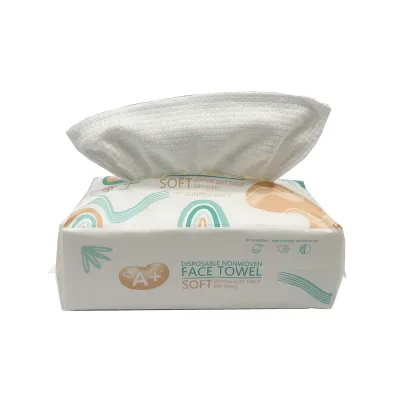


Wholesale Disposable Face Towel Biodegradable Dry Face Thick Soft Clean Facial Towels
$0.20 - $0.50
MOQ: 30000 Pieces


Comprehensive Sourcing Guide
Soft White Disposable Face Towel Sourcing Guide
Sourcing soft white disposable face towels requires a careful balance between material comfort, hygiene standards, and commercial viability. These products are ubiquitous in hospitality, spa, and salon industries, serving as essential amenities that enhance guest experience while maintaining strict sanitary protocols. Buyers must navigate a market characterized by significant variation in material composition, weight, and packaging, ensuring that the selected product aligns with both brand positioning and operational requirements. The following guide provides a structured approach to evaluating suppliers, verifying technical specifications, and managing commercial risks associated with this category.
Product Scope and Observed Listing Signals
The market for disposable face towels encompasses a wide range of materials, primarily non-woven fabrics and natural fibers such as bamboo or cotton blends. Observed listings indicate a strong preference for eco-friendly attributes, with many suppliers highlighting the use of plant-based or biodegradable materials to meet growing sustainability demands. The typical product is unicolor, predominantly white, and designed for single-use applications in hotels, spas, salons, and home settings. Buyers should note that while "softness" is a common claim, the tactile experience varies significantly based on whether the material is polyester-based, bamboo fiber, or 100% cotton, necessitating physical sampling before bulk commitment.
Packaging and presentation are critical differentiators in this segment, as the towel often serves as the first point of physical contact for the end-user. Listings reveal diverse packaging options, ranging from simple polybags and PE bags to more premium carton boxes or export-standard packaging. Some suppliers offer customized packaging solutions, including branded printing or specific pack counts such as 50 pieces per pack, which can influence shelf appeal and inventory management. The folded state of the towel, whether multi-folded or standard, also impacts the final dimensions and perceived value, requiring buyers to specify exact folding styles to ensure consistency in their supply chain.
Technical Specifications to Verify
Material composition is the most critical technical parameter, directly influencing the towel’s softness, absorbency, and environmental impact. Suppliers may offer products made from 35gsm polyester white material, bamboo fiber, or 100% cotton with plant fiber blends. Buyers must verify the exact GSM (grams per square meter) and fiber content, as these determine the durability and texture of the towel. For instance, a 35gsm polyester towel may be cost-effective but less absorbent than a thicker bamboo or cotton alternative. It is essential to request material certificates or test reports to confirm that the claimed composition matches the actual product, especially when eco-friendly claims are involved.
Dimensions and model specifications vary widely, with common sizes including 25x30cm, 30x30cm, 30x70cm, and 40x70cm. Some suppliers provide standardized models like MDFT 20210730 or oneofftowel-1, while others offer fully customized dimensions to suit specific brand requirements. Buyers should confirm the exact folded size and unfolded dimensions, as these affect storage space and user convenience. Additionally, the shelf life of the product, typically around two years, should be verified to ensure inventory turnover aligns with production dates. Customization options, including OEM/ODM services, allow for tailored solutions but require clear communication of design and material preferences to avoid discrepancies.
Compliance and Safety Documentation
Hygiene and safety certifications are non-negotiable for disposable sanitary products, particularly those intended for facial use. Buyers should prioritize suppliers who hold recognized certifications such as ISO 9001 for quality management, GMPC for cosmetic manufacturing practices, and MSDS for material safety data. These certifications indicate that the supplier adheres to strict manufacturing standards and maintains a controlled environment to prevent contamination. While OEKO-TEX is mentioned in some contexts, buyers should verify if the specific product batch meets this standard, as it ensures the absence of harmful substances in the fabric, which is crucial for skin-sensitive applications.
Regulatory compliance extends beyond manufacturing to include proper labeling and documentation for international trade. Suppliers must provide clear product descriptions, including material composition, usage instructions, and disposal guidelines. For exports, documentation such as commercial invoices, packing lists, and certificates of origin are essential. Buyers should also inquire about the supplier’s ability to provide batch-specific test results, particularly for microbial limits and chemical residues, to ensure the product meets the regulatory requirements of the destination market. This due diligence minimizes the risk of customs delays or product recalls due to non-compliance.
Cost Drivers and Commercial Terms
Pricing in the disposable towel market is influenced by material costs, order volume, and customization requirements. Observed price ranges vary significantly, reflecting differences in material quality and production complexity. Buyers should expect lower prices for standard non-woven polyester towels and higher prices for premium bamboo or cotton options. Minimum Order Quantities (MOQs) also play a crucial role, with ranges typically spanning from 20 to 200,000 units. Larger orders often benefit from economies of scale, but buyers must balance volume discounts with storage capacity and cash flow constraints.
Delivery terms and lead times are key components of the commercial agreement. Standard lead times are often around 30 days upon order confirmation and payment receipt, but this can vary based on production capacity and customization needs. Buyers should negotiate clear payment terms, such as a deposit followed by balance against shipping documents, to mitigate financial risk. Additionally, packaging costs should be included in the total landed cost calculation, as premium packaging options can significantly impact the final price. Understanding these cost drivers allows buyers to make informed decisions that align with their budget and operational timelines.
Supplier Qualification and Quality Control
Supplier qualification begins with a thorough assessment of their manufacturing capabilities and quality control processes. Buyers should verify the supplier’s production capacity, equipment, and workforce expertise to ensure they can meet volume and quality requirements consistently. Factories with dedicated lines for disposable products and strict hygiene protocols are preferable. It is also important to assess the supplier’s flexibility in handling OEM/ODM requests, as this indicates their ability to adapt to specific brand needs. Requesting references or case studies from existing clients can provide insights into the supplier’s reliability and performance.
Quality control measures should be implemented at multiple stages, from raw material inspection to final packaging. Buyers should establish clear quality standards, including acceptable limits for defects, color consistency, and dimensional accuracy. Pre-shipment inspections are recommended to verify that the delivered goods match the approved samples and specifications. Suppliers who offer transparent quality assurance processes and are willing to accommodate third-party inspections demonstrate a commitment to excellence. Establishing a robust quality control framework helps minimize the risk of receiving substandard products and ensures customer satisfaction.
Long-Term Procurement Checks
Sustainable sourcing practices are increasingly important for long-term procurement success. Buyers should evaluate suppliers’ environmental policies, including waste management, energy usage, and the use of biodegradable or recyclable materials. Suppliers who prioritize eco-friendly production methods not only reduce environmental impact but also align with the growing consumer demand for sustainable products. Regular audits of the supplier’s environmental compliance can help identify areas for improvement and ensure ongoing adherence to sustainability goals. This proactive approach enhances brand reputation and mitigates regulatory risks associated with environmental regulations.
Continuous relationship management is essential for maintaining supply chain stability and quality. Buyers should establish regular communication channels with suppliers to discuss performance, address issues, and explore opportunities for innovation. Periodic reviews of supplier performance, including delivery reliability, quality consistency, and responsiveness, help identify potential risks and areas for improvement. Building a collaborative partnership with suppliers fosters trust and encourages them to prioritize the buyer’s needs. By focusing on long-term engagement and mutual growth, buyers can secure a reliable supply of high-quality disposable face towels that support their business objectives.
FAQs
What materials are used for soft white disposable face towels?
These towels are typically made from non-woven fabrics, bamboo fiber, or 100% cotton plant fiber. The standard material often cited is 35gsm polyester white material, ensuring a soft and comfortable texture suitable for daily use in hotels, spas, and home environments.
Can these towels be customized for specific branding needs?
Yes, customization is available for OEM and ODM requirements. Buyers can request specific packaging options, such as 50PCS per pack or custom bags, and the products support customized dimensions and designs to meet unique brand identity standards for salon or hotel applications.
What are the standard sizes for these disposable towels?
Standard sizes include 25x30cm, 30x30cm, 30x70cm, and 40x70cm. Customized dimensions are also supported, allowing buyers to select the most appropriate size for their specific application, whether for hand towels, hair towels, or general sanitary use in hospitality settings.
What certifications do these products typically hold?
Products often hold ISO 9001, GMPC, and MSDS certifications. These credentials ensure quality management and safety standards are met, making them suitable for professional use in hospitals, salons, and hotels where hygiene and regulatory compliance are critical for daily operations.
What is the typical lead time for orders?
The delivery time is generally 30 days upon order confirmation and payment receipt. This timeline applies to standard production runs, allowing buyers to plan their inventory needs effectively for hotels, spas, and retail distribution channels across global markets.
Are these towels suitable for sensitive skin types?
Yes, they are designed for combination skin types and are described as ultra-soft and eco-friendly. The materials, including bamboo fiber and non-woven fabrics, provide a gentle touch, making them ideal for daily use as sanitary products in home, hotel, and spa environments.